Local entities strengthen their commitment to the data economy at EDINT's kick-off meeting in Madrid
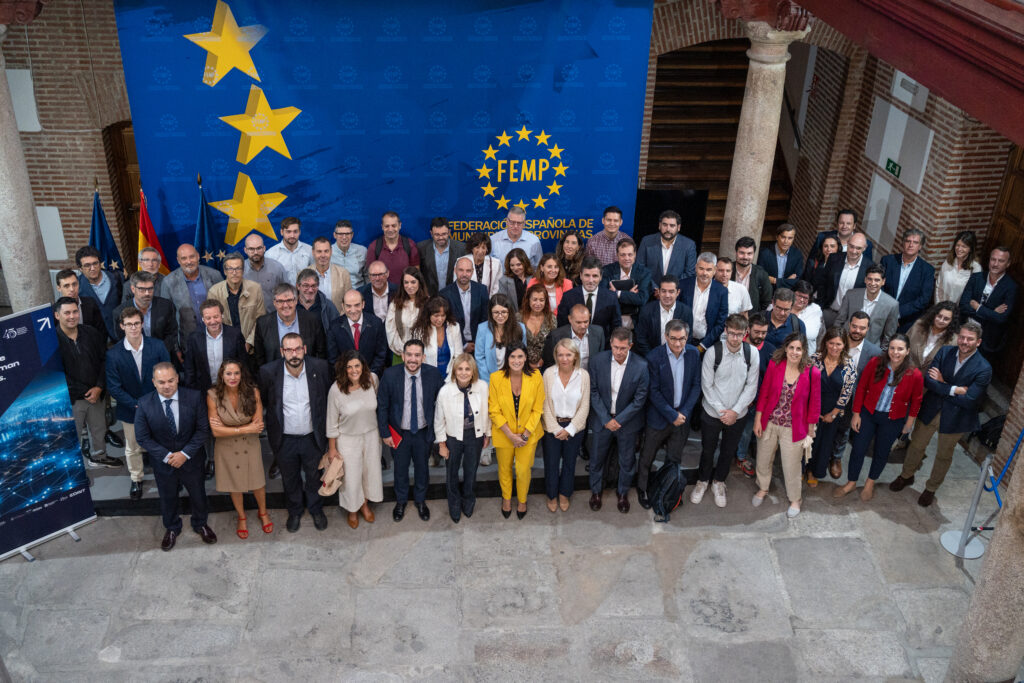
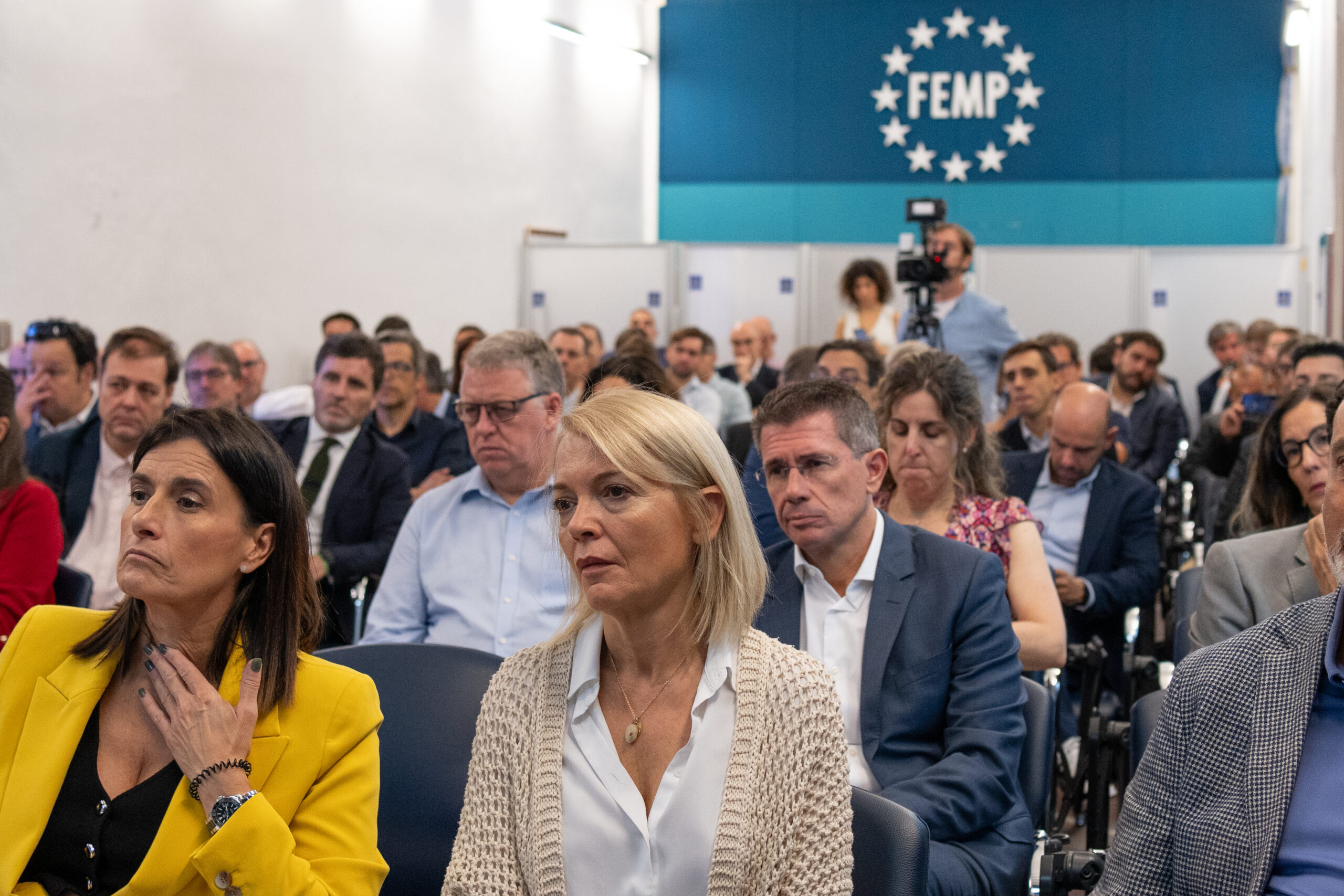
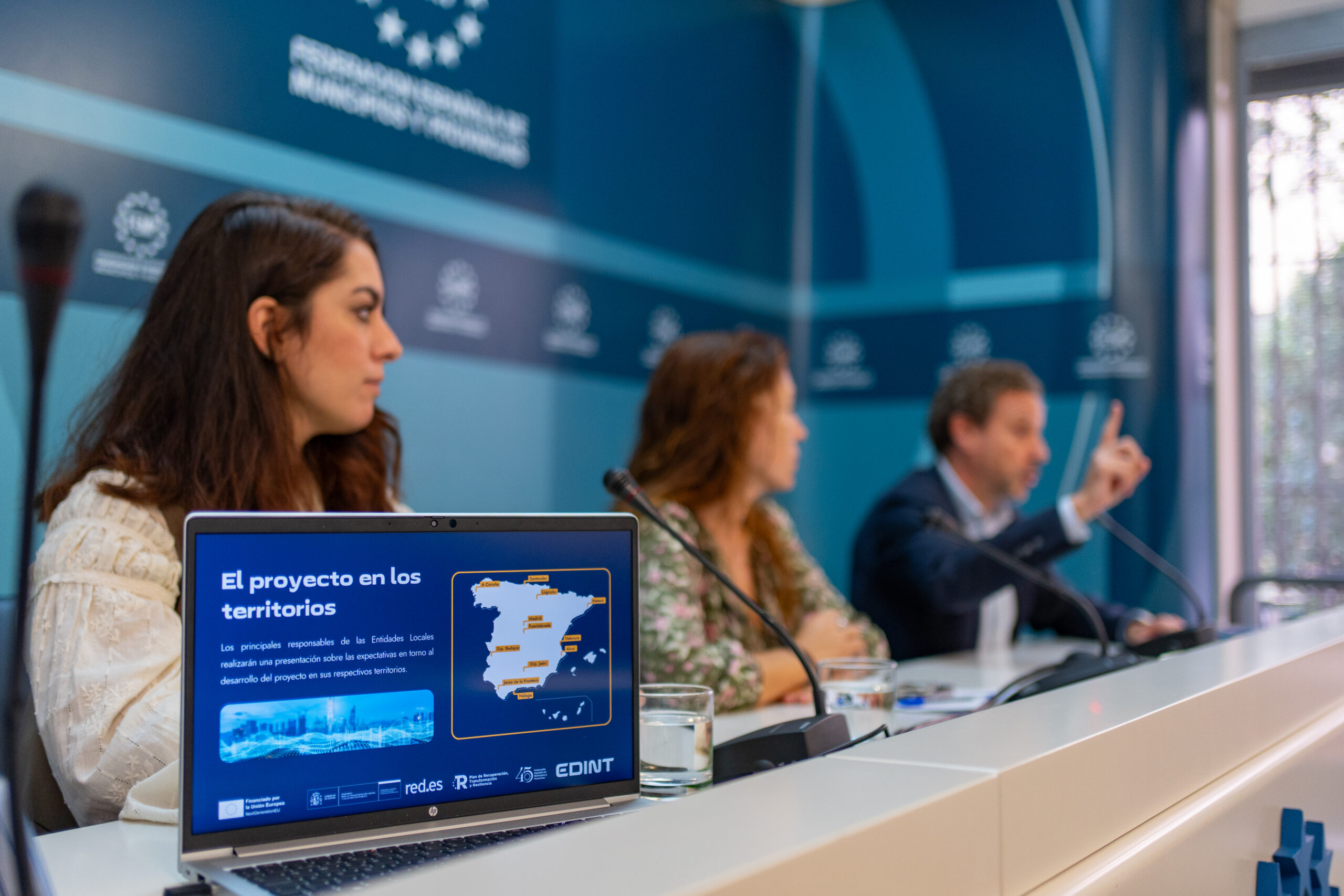
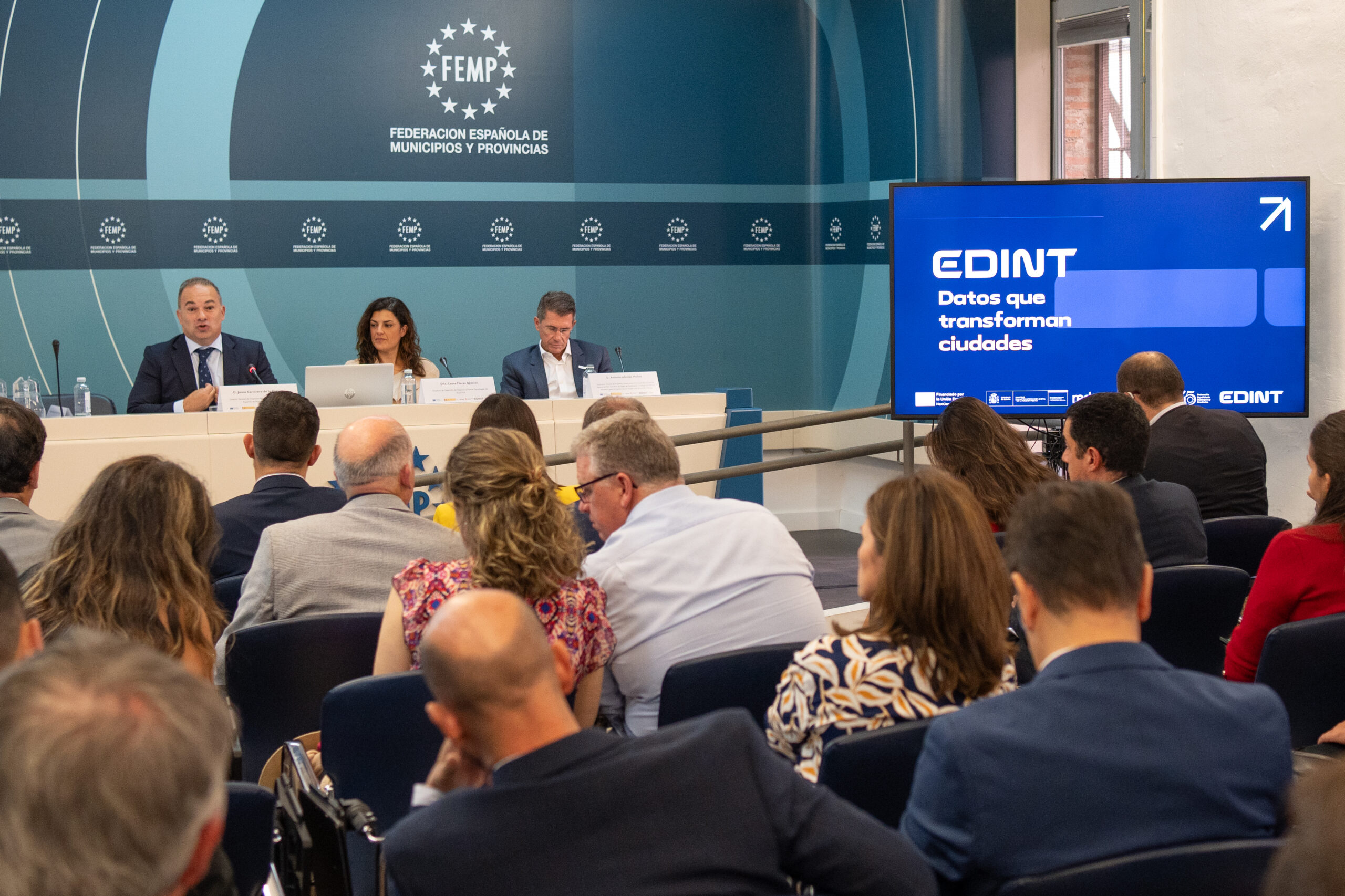
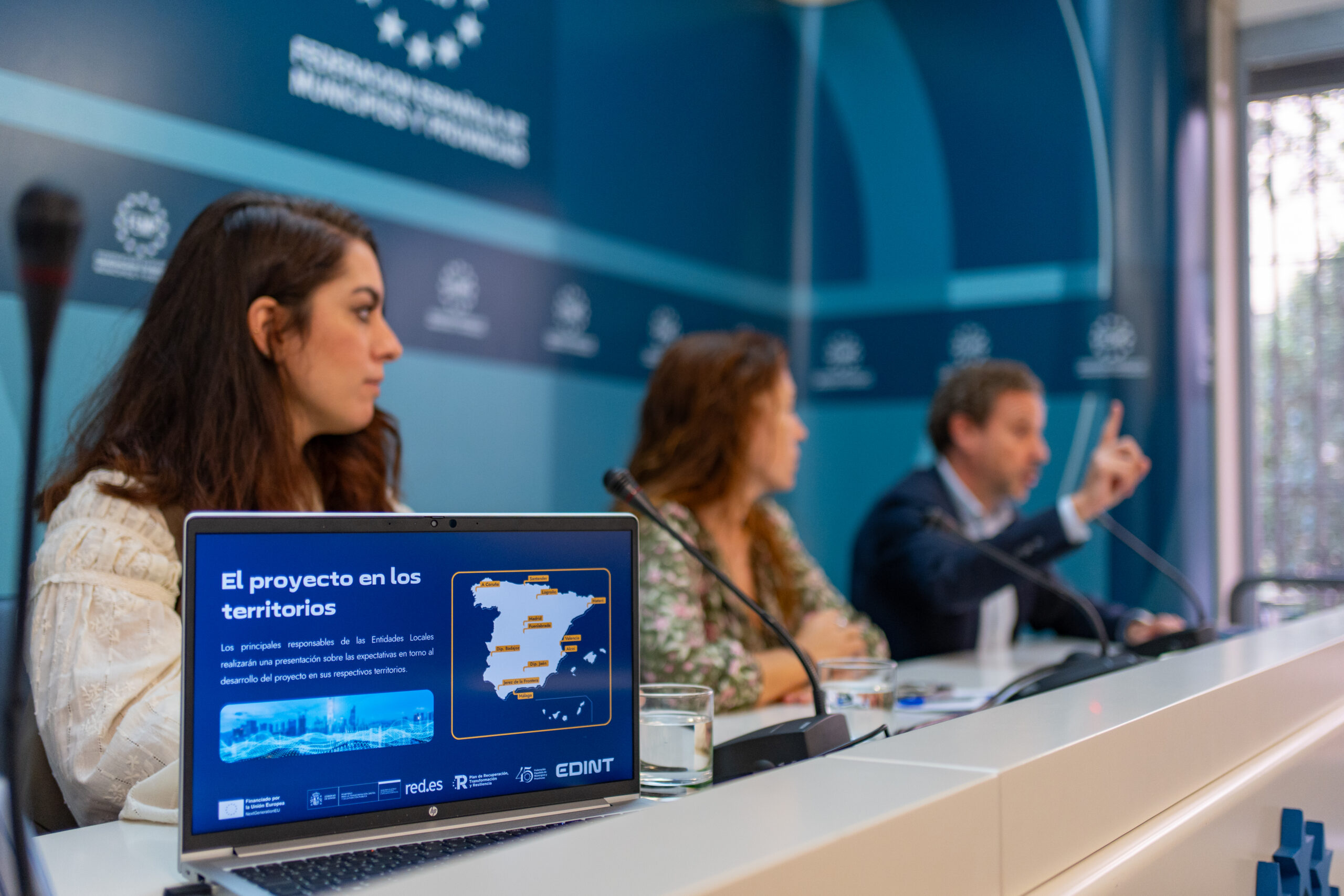
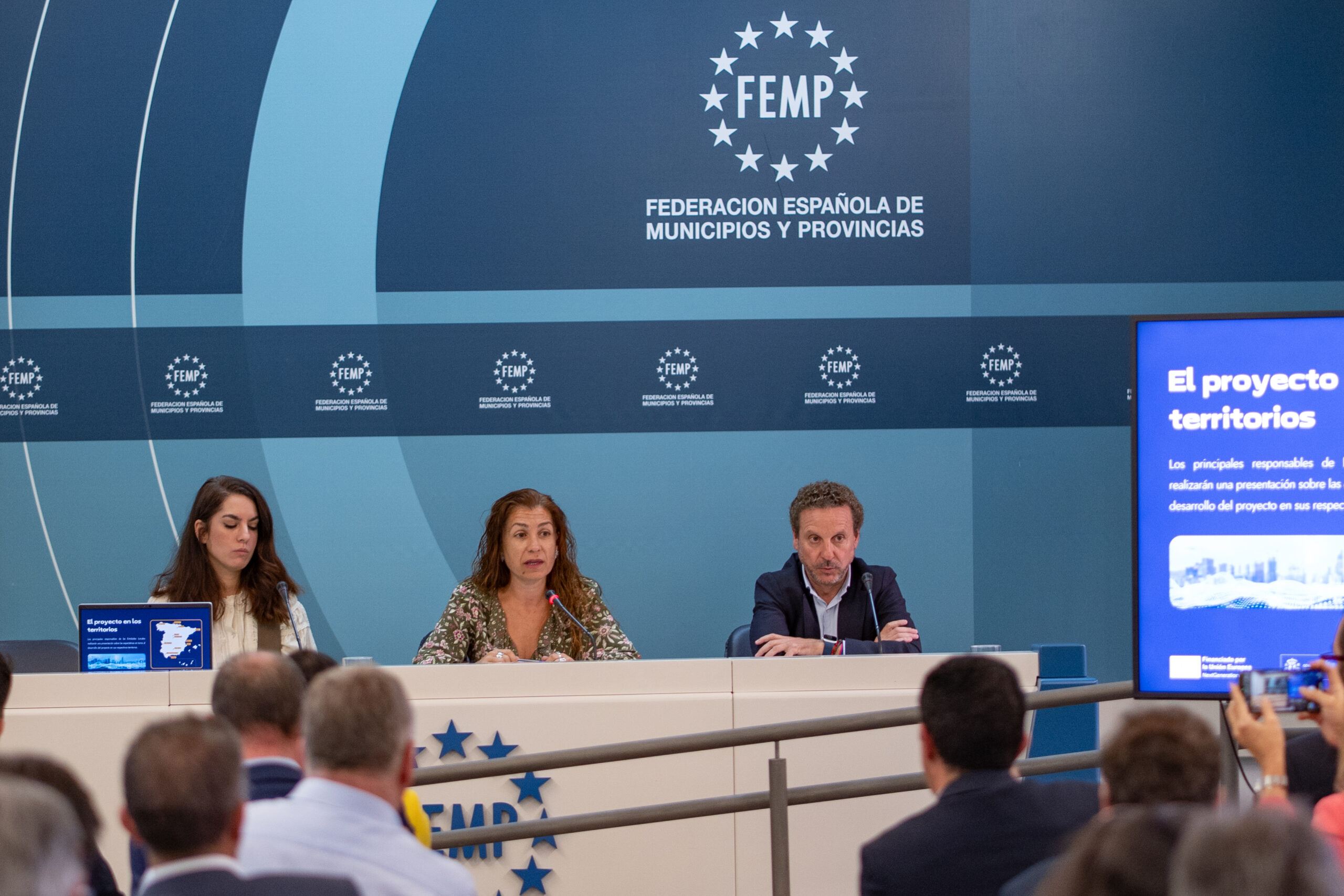
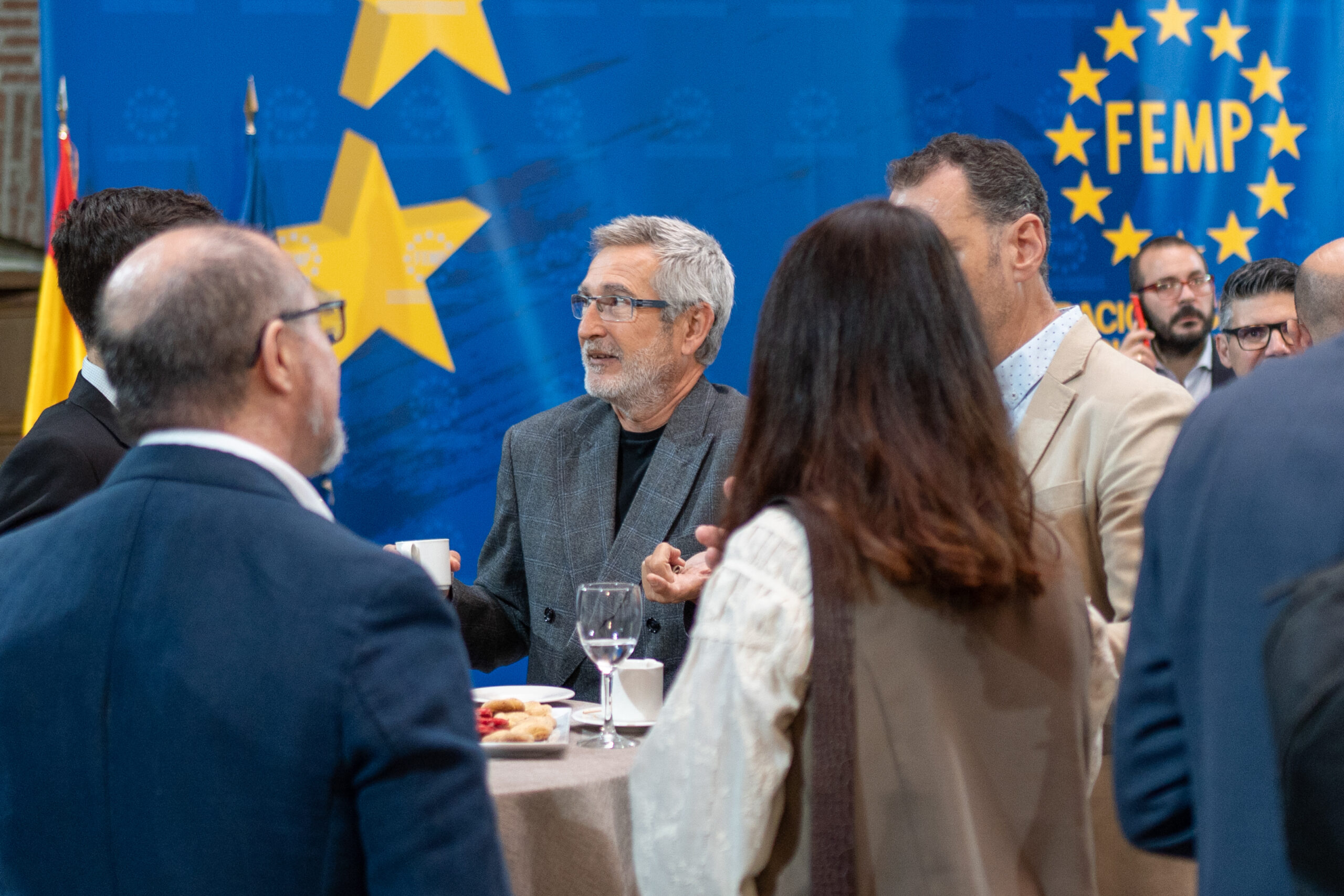
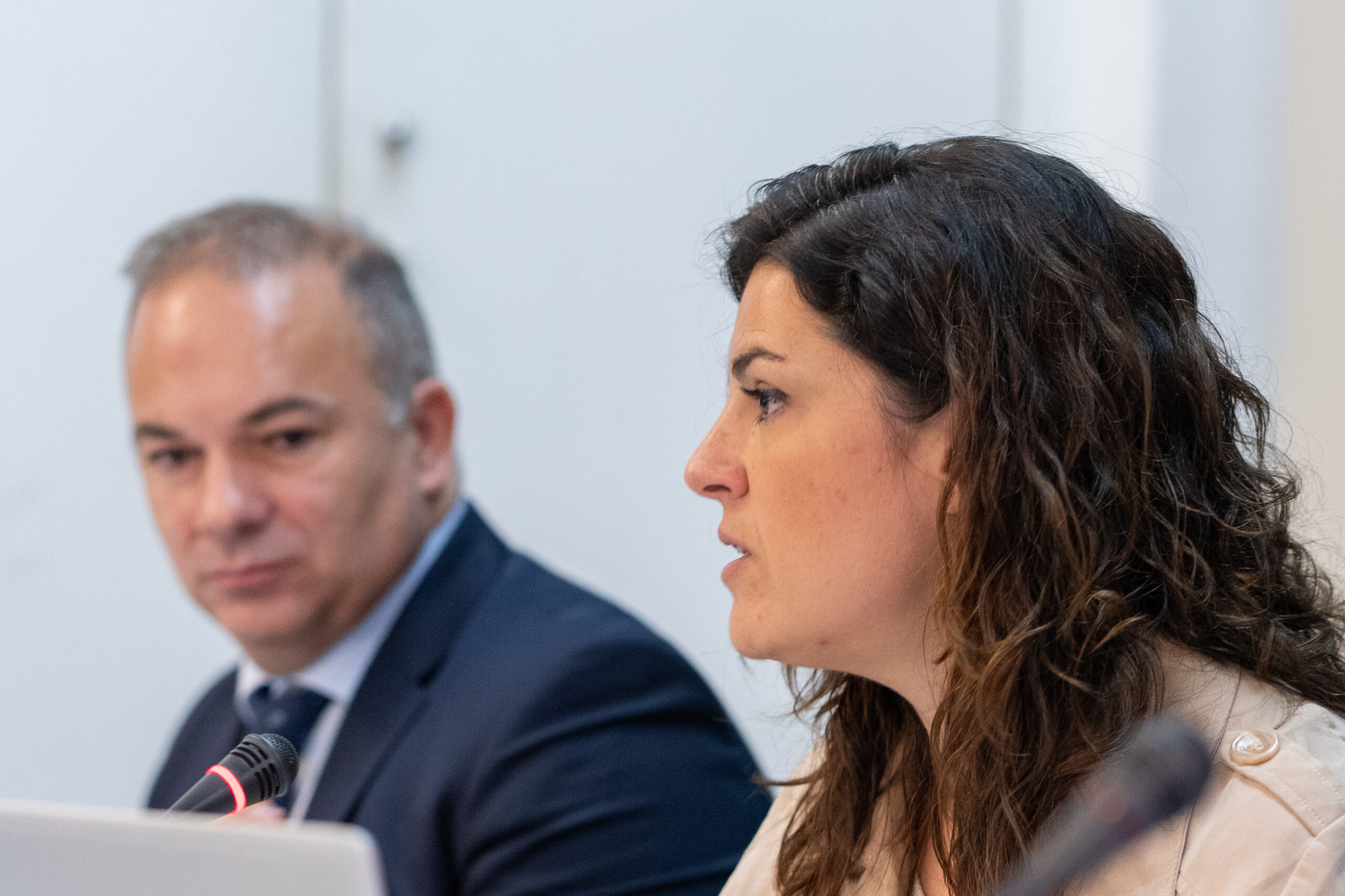
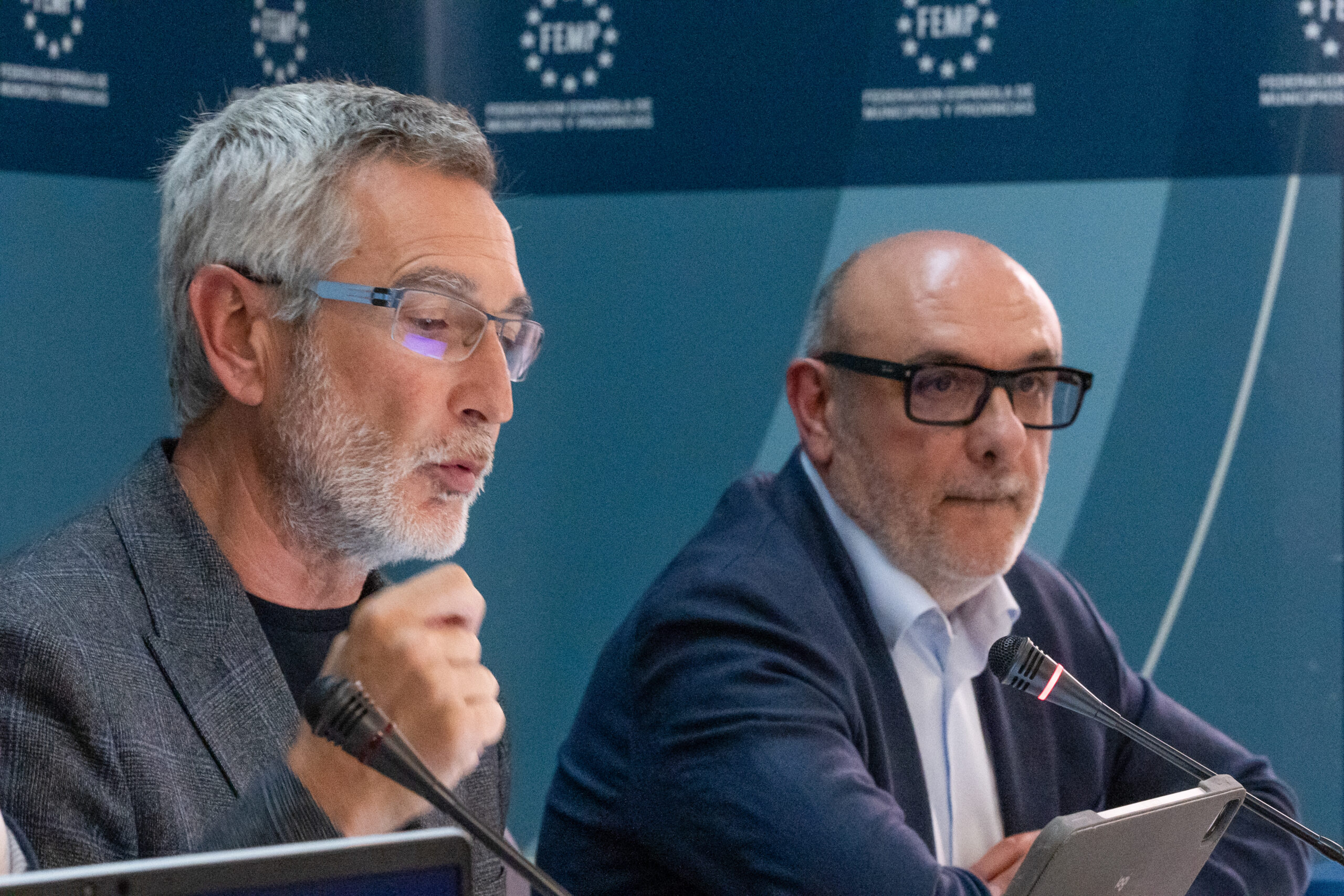
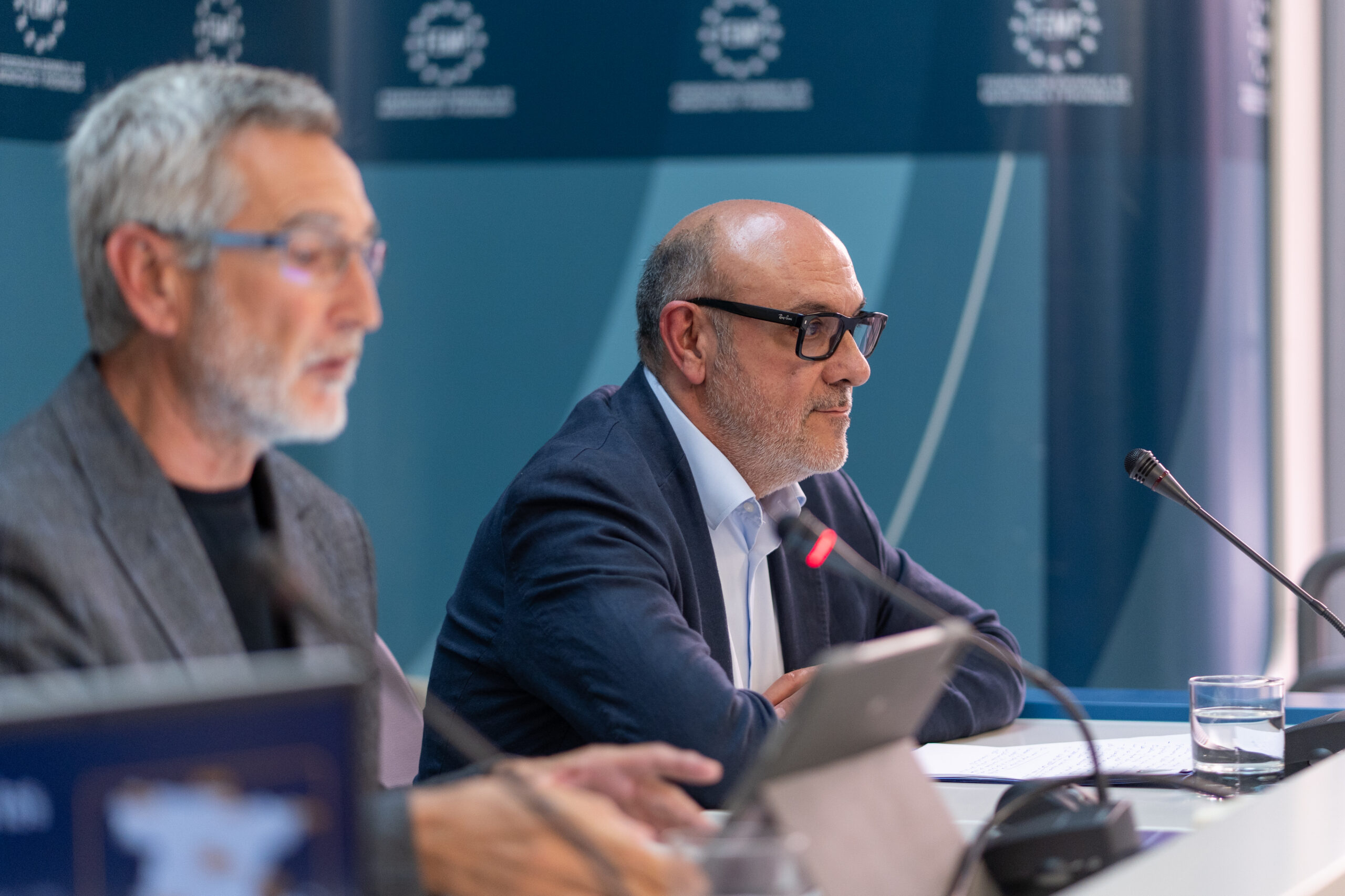
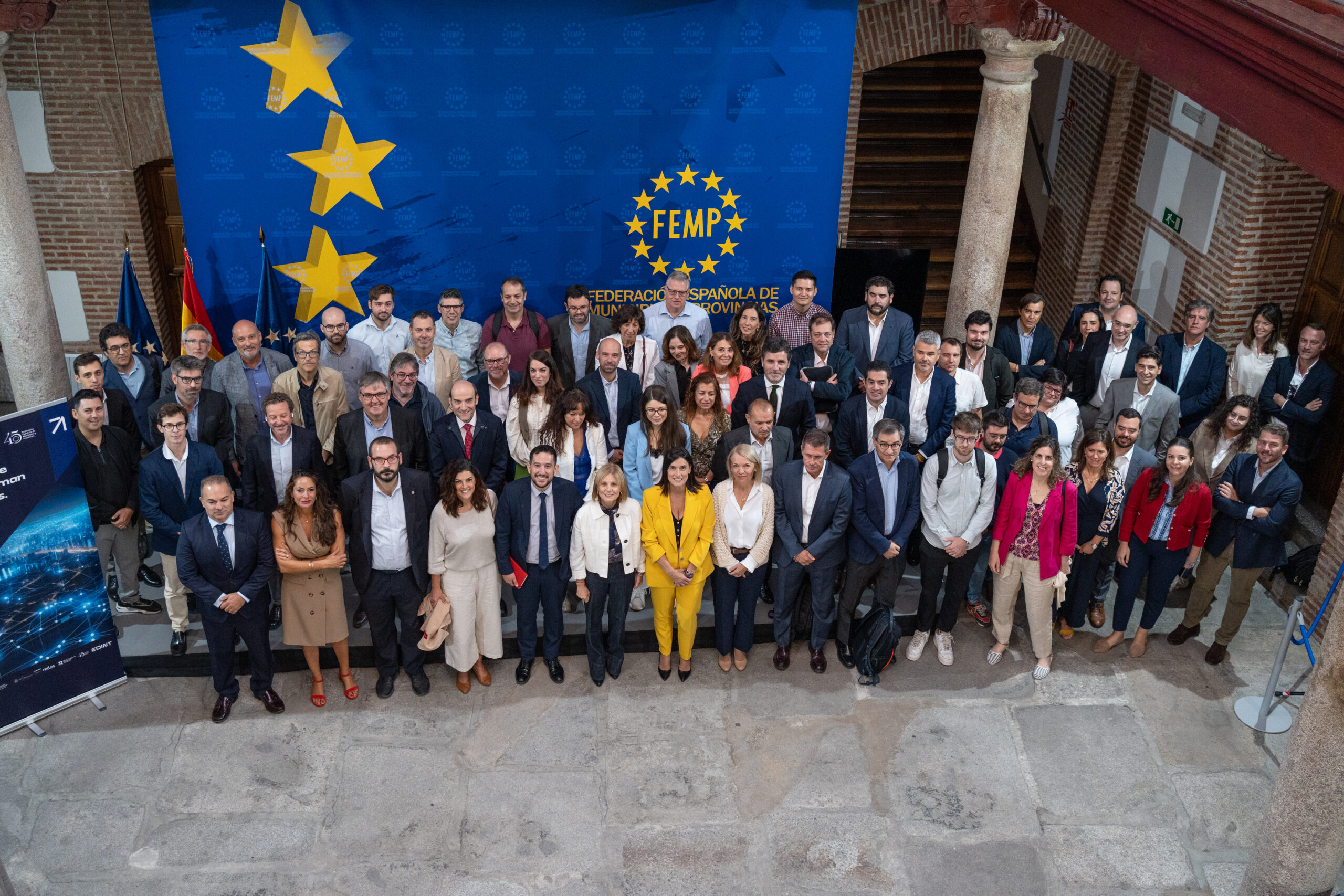
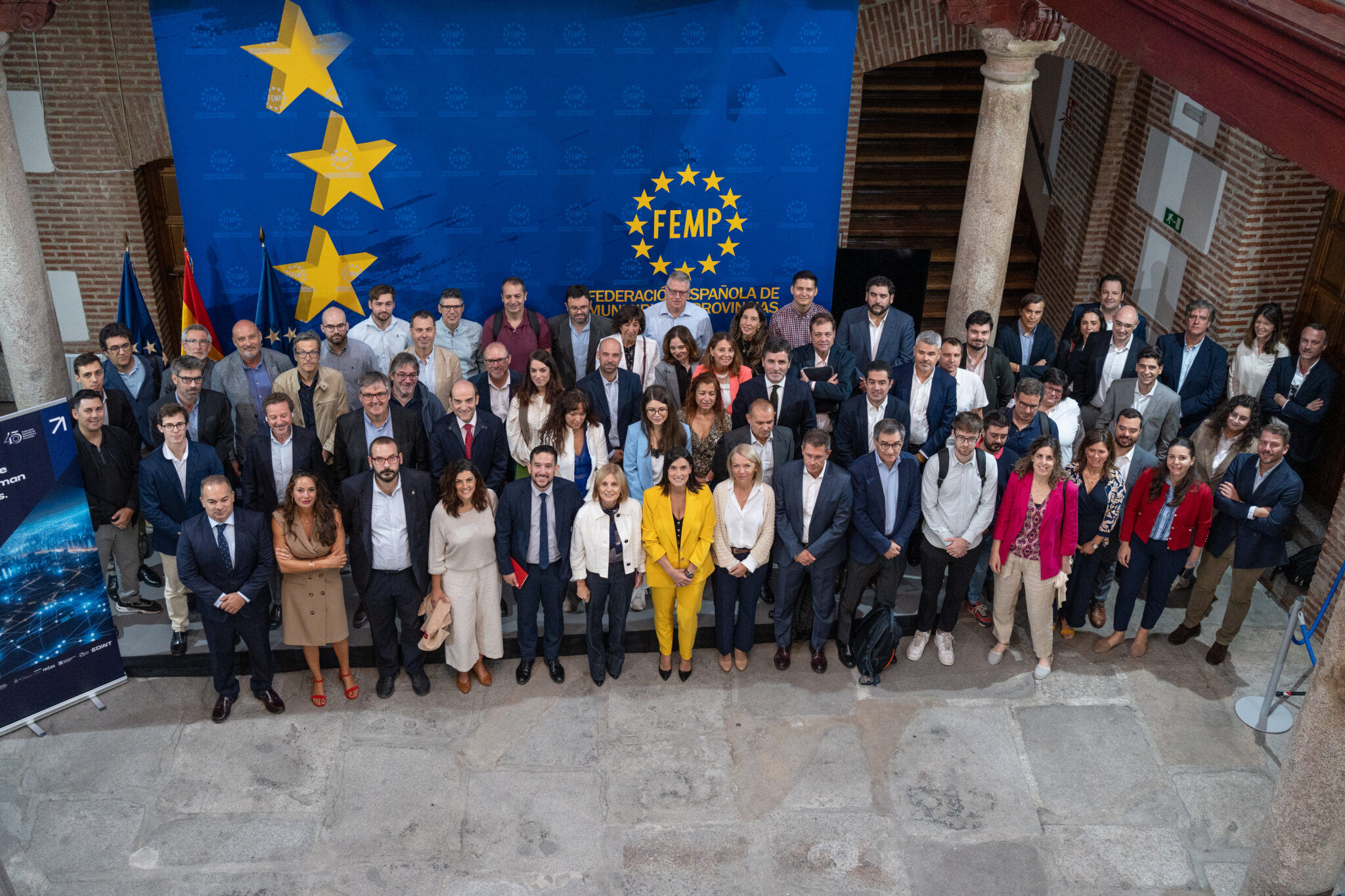
The Madrid headquarters of the Spanish Federation of Municipalities and Provinces (FEMP) hosted the meeting of the 12 local entities participating in the EDINT (Data Spaces for Smart Urban Infrastructures) project on October 8. The event brought together mayors, municipal technicians, innovation managers, and representatives from academia and business to share progress on the implementation of data spaces applied to local public management.
Innovation at the Service of Citizens
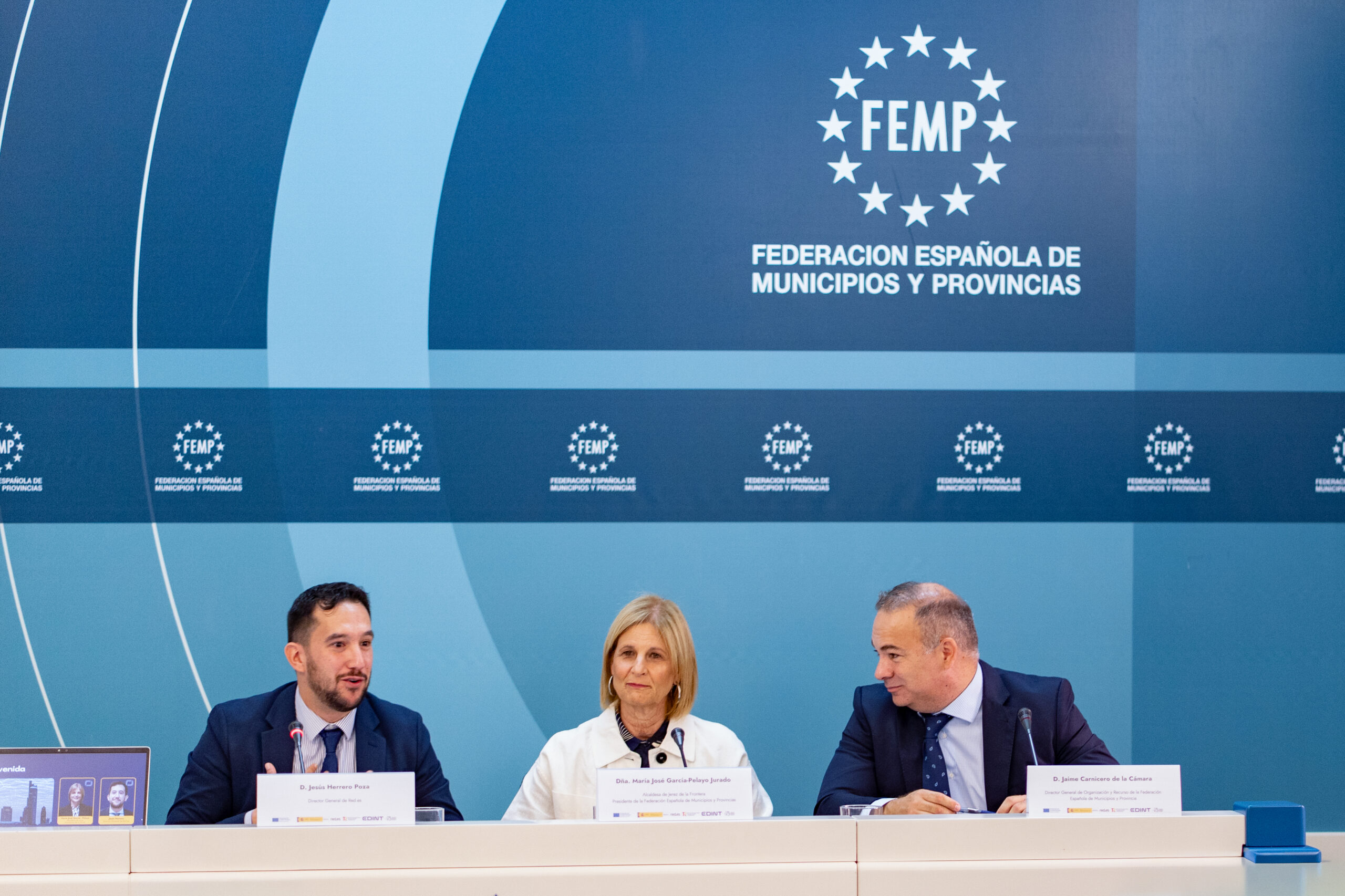
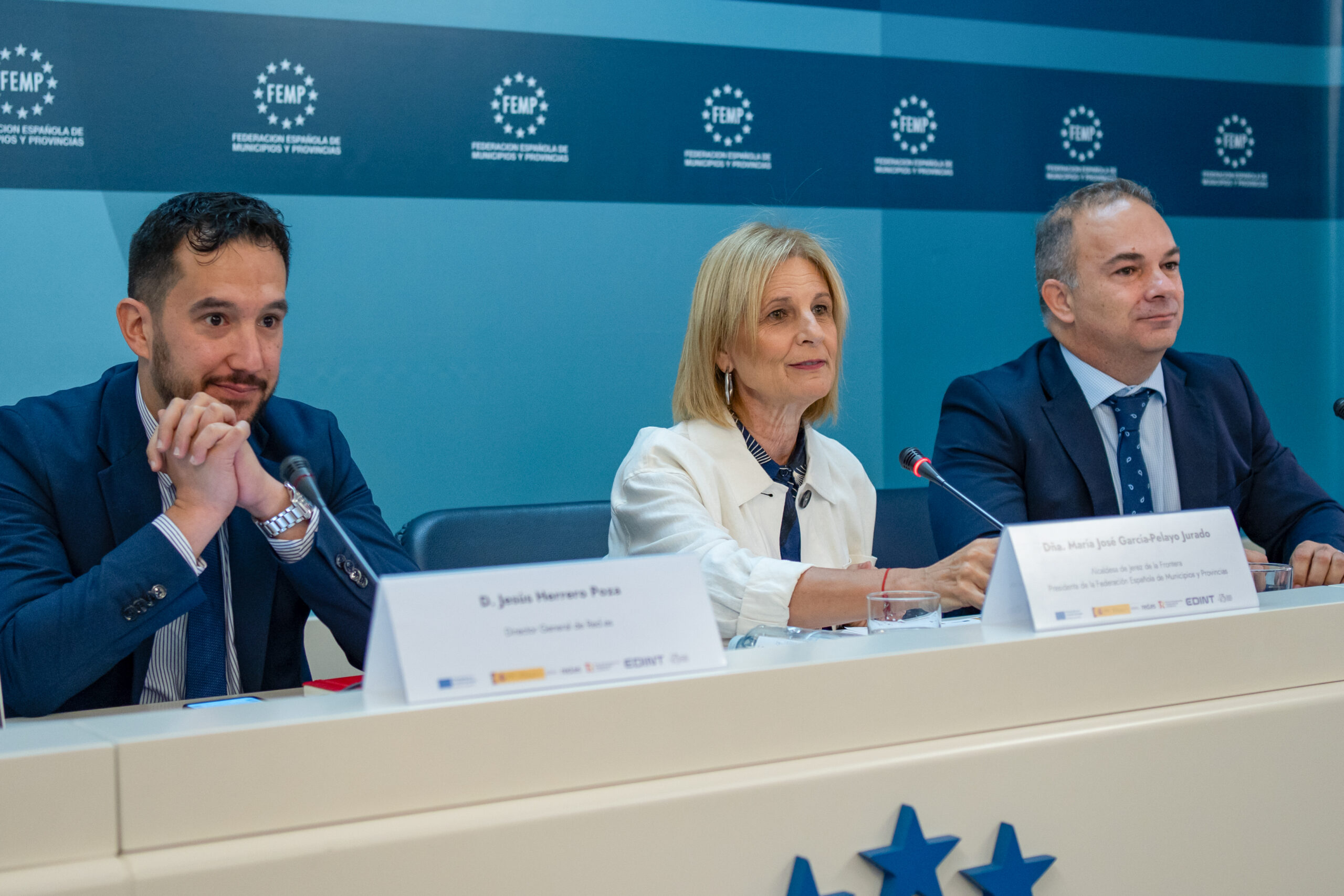
The president of FEMP and mayor of Jerez, María José García-Pelayo, opened the day by emphasizing that “the EDINT project is not just another project. It is a strategic national project that starts from the ground up to transform our territories, with the aim of improving public services and the development of citizen well-being.”
EDINT, led by FEMP and funded through the Recovery, Transformation and Resilience Plan in collaboration with the Ministry for Digital Transformation and Public Function, through Red.es, has a budget of 13 million euros. Its purpose is to create a multi-sectoral data space that allows local entities to share, manage, and leverage information from their smart infrastructures, promoting interoperability, innovation, and data-driven decision-making.
In the words of the Director General of Red.es, Jesús Herrero Poza, collaboration among different stakeholders is essential to generate value: “Smart cities are much more than self-regulating traffic lights: they provide fundamental information for making sound decisions that translate into effective policies.”
Subsequent presentations featured the participation of representatives from European institutions and the Ministry for Digital Transformation and Public Function, who reminded attendees that data spaces are a pillar of the European Data Strategy and a key growth driver for smart cities.
“EDINT is not a fleeting initiative; it's here to stay.”
Jaime Carnicero, director general de la femp
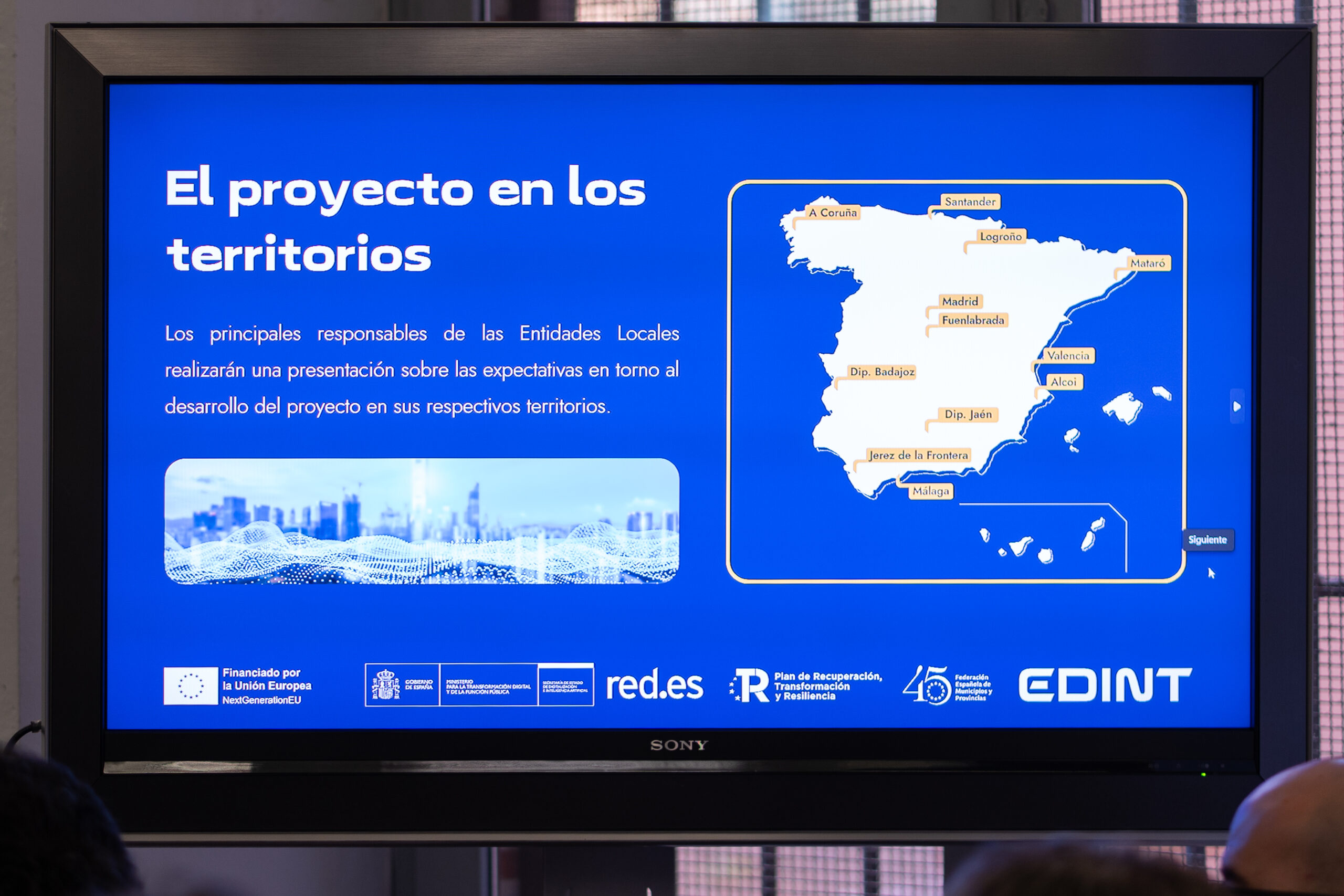
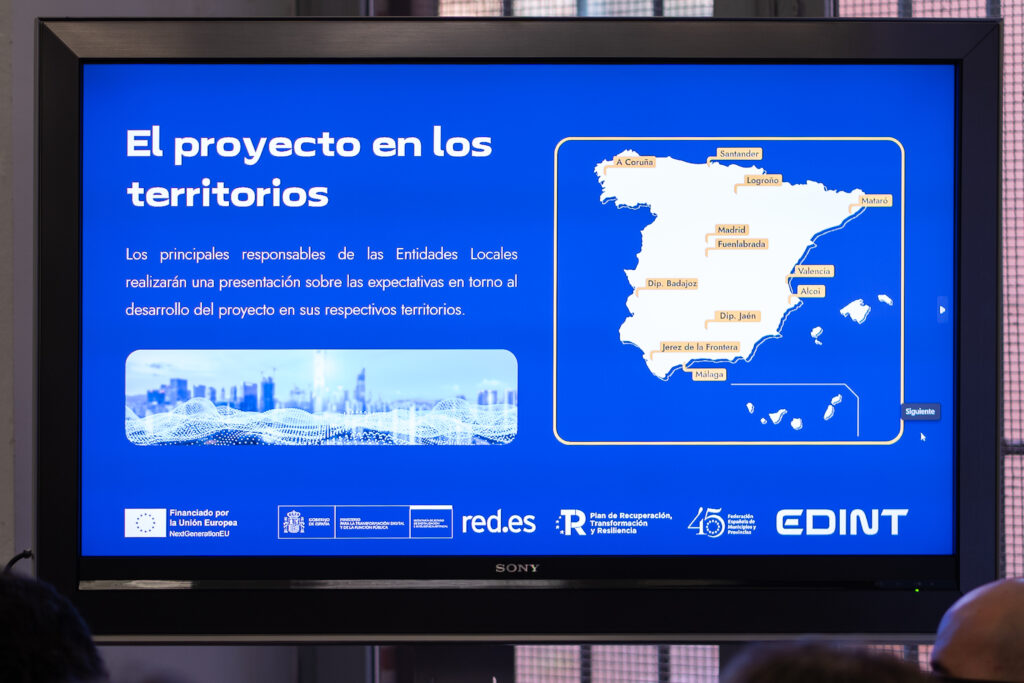
The final block of the meeting was dedicated to interventions by the heads of the participating local entities, who presented their progress and expectations. Among the topics discussed were use cases related to smart mobility, sustainable urban management, and economic activity maps, along with cross-cutting issues such as governance, security, and the scalability of the data space. The spokesperson for A Coruña emphasized that “working with data means changing administrative culture to put knowledge at the service of citizens.” From Málaga, it was highlighted that “mobility and energy efficiency are areas where data is already generating real impact,” while the representative from Valencia remarked that “EDINT helps us build a more sustainable and innovative city, connecting technology and public services.” For her part, the mayor of Santander affirmed that “collaboration and interoperability are essential to advance towards smart and sustainable cities.”
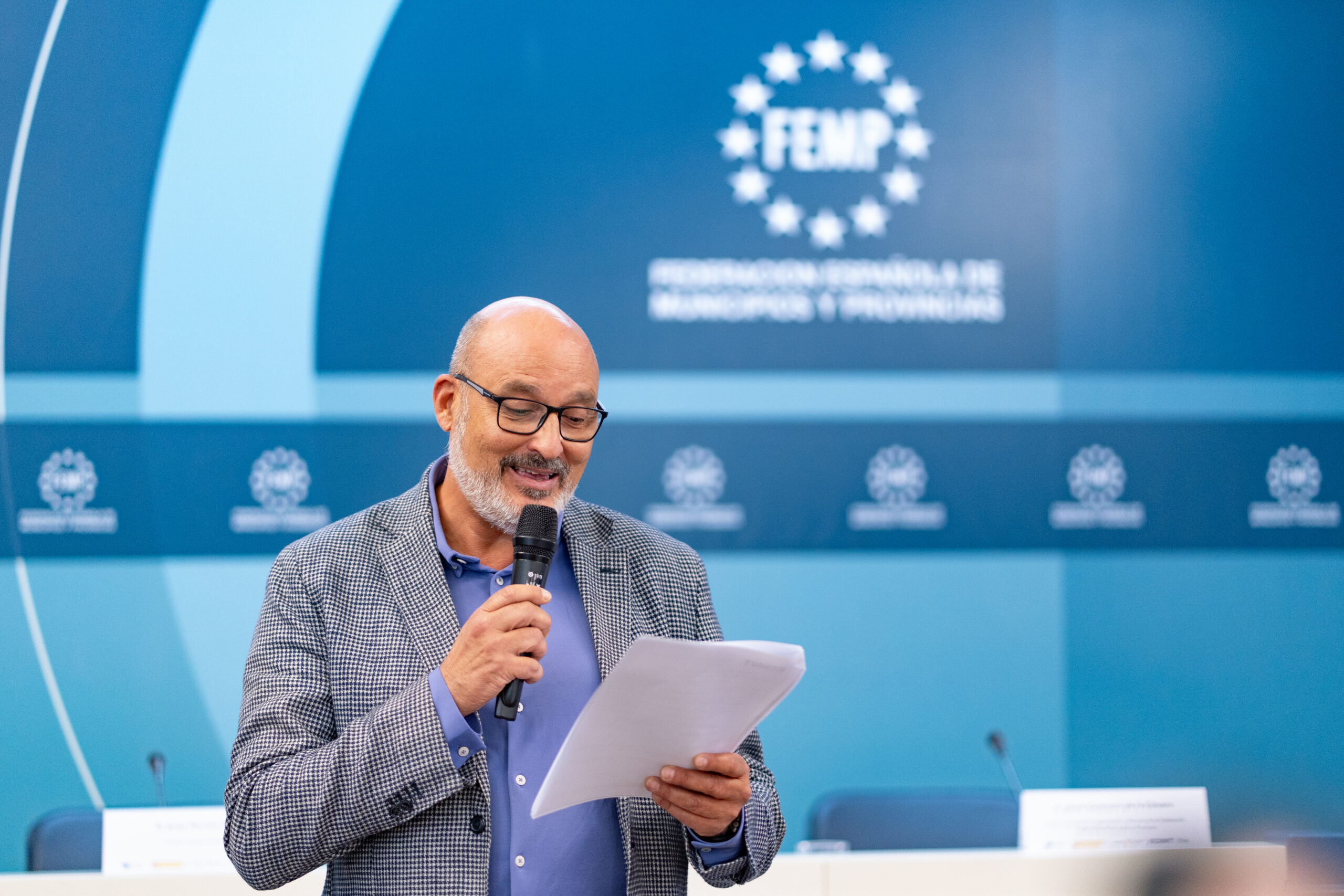
The closing remarks were delivered by the Director General of FEMP, Jaime Carnicero, who emphasized that “EDINT is not a fleeting initiative, but a permanent strategic platform for interoperability, local innovation, and collaboration among municipalities.”
The meeting consolidated EDINT’s role as a pioneering project in the data economy applied to the municipal sphere, designed to strengthen cooperation between administrations, improve the efficiency of public services, and position municipalities as key players in the country’s digital transformation.